Three Main Actors of Insidious

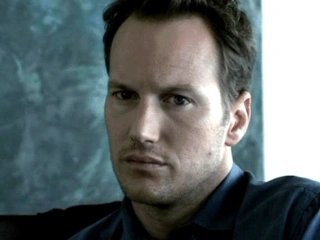
Character actors are those that fit into a wide range of roles/characters adapting to the script and/or the director they are working with. In fact, they are so good at doing this, they often are not easily recognized by viewers, often taking years to achieve ‘star’ status, despite being highly sought after (Goodykoontz & Jacobs, 2014). Three actors in the movie Insidious that can be categorized as character actors are Patrick Wilson, Rose Byrne, and Lin Shaye.
Pic 3Pic 5Pic 4

Typically, character actors are in minor or supporting roles; however, it is not appropriate to call them wild card actors because these types of actors are normally stars. Yes they are similar in terms of variety of roles but they are distinctly different due to recognizability of the actors themselves. Therefore, I classified each of these actors as such because their typical roles are so different from one to the next but they have not achieved the same public notoriety of stars such as Johnny Depp, Kevin Spacey, or Daniel Day-Lewis.

Patrick Wilson plays Josh, a school teacher, whose son lapses into a coma. Rose Byrne plays his wife Renai and mother to their son Dalton. Lin Shaye was cast as the character Elise Ranier. To portray each of the characters, all three actors employed realism or naturalistic acting to convey genuine emotion/reactions to what is occurring in a particular scene (Goodykoontz & Jacobs, 2014). In the clip below, Elise (Lin Shaye) is a specialist that can see/communicate with the supernatural and she describes what she sees on the ceiling of Dalton’s room to her colleague. Note the realistic terror/intensity to what she is visualizing while also observing the fear, alarmed concern reactions Josh (Patrick Wilson) and Lorraine (Rose Byrne) portray. These actors were chosen for their versatility and effectiveness in portraying these roles and therefore the movie was an effective and unpredictable horror movie.

Based on his previous roles, Patrick Wilson would absolutely be a character actor. Prior to Insidious (and sequel), he played the character Dan Dreiberg/Nite Owl in the movie Watchmen. Virtually everyone that has seen this movie knows who Nite Owl is; however, I would submit that almost no one (our instructor excluded) knows the character Dan Dreiberg, the actor that portrayed him. It is also safe to state that most people do not know who played Nite Owl either although both personas were portrayed by the same actor. As a result, Patrick Wilson is not a wild card actor, but a solid character actor and the category.

Pic 1Pic 2

References

Blum, J., Peli, O., Schneider, S. (Producers), & Wan, J. (Director). (2011). Insidious [Motion picture].  United States: FilmDistrict

Goodykoontz, B., & Jacobs, C. P. (2014). Film: From watching to seeing (2nd ed.). San Diego, CA: Bridgepoint Education, Inc.Blum, J., Peli, O., Schneider, S.

[Untitled photograph of Josh Lambert from Insidious]. Retrieved May 7, 2015, from: http://vignette3.wikia.nocookie.net/insidiousmovie/images/f/f6/Josh_Lambert.png/revision/latest?cb=20121225233906

[Untitled photograph of Nite Owl/Dan Dreiberg]. Retrieved May 7, 2015, from: http://www.wearysloth.com/Gallery/ActorsW/23379-27495.jpg

[Untitled photograph of Josh Lambert/Demon]. Retrieved May 7, 2015, from: http://cdn1.sciencefiction.com/wp-content/uploads/2013/06/insidious-300×300.jpg

[Untitled photograph of Renai Lambert from Insidious]. Retrieved May 7, 2015, from: http://i.usatoday.net/life/_photos/2011/04/01/insidiousx-large.jpg

[Untitled photograph of Elise Ranier from Insidious]. Retrieved May 7, 2015, from: http://img.poptower.com/pic-49041/lin-shaye.jpg?d=600

Wan, J (2011, 1 April). Insidious: What Is It Clip [Video file]. Retrieved from https://www.youtube.com/watch?v=fBV1QKqAWAo

The Sounds of INSIDIOUS

Sound is broken down into three categories consisting of dialogue, sound effects, and music. The first, dialogue, is characters of a movie speaking to one another and typically recorded live. The second category, sound effects, is a little more complicated. Sound effects are used to augment action or to give the audience a sense of the environment. The final category is music. It can be used to set the mood of the scene, identify characters, and situations. Sound effects and music are usually added later, with music actually being recorded after the movie has been edited (Goodykoontz & Jacobs, 2014). Dialogue and the music score are the two most critical aspects of sound used in Insidious.

The movie Insidious was directed by James Wan and released in 2011. The “He’s Not In a Coma” clip is an excellent choice to discuss two aspects of sound, dialogue and music.

First, dialogue. In this clip, we see the character Ranai having a diegetic (comes from within the movie, not external sound) dialogue with a nurse about her feelings concerning her comatose son, Dalton. Her dialogue is quiet, somber, and almost monotone (Goodykoontz & Jacobs, 2014). The dialogue helps set the mood of this clip to give the audience a sense of despair, hopelessness, in an effort to convey how Ranai feels after 3 to 4 months without change in his condition.

Now, for the best part, the music. The music of this clip is absolutely critical to accentuate and the rapid change in mood. There are two distinct moods represented (reflected in the music) in this clip. The score, or music that plays in the background (Goodykoontz & Jacobs, 2014), of this clip is somber, single-key piano notes so as not to distract from the overall mood. What she is saying and how she is acting is what is important to the audience; the score of the first half of the clip augments it. Single notes, out of options, one heart beat after another. No increase or decrease in heart rate. Only one beat at a time representing the seconds ticking away each hour. Each day, nothing changes for Dalton and Ranai’s mood remains the same, hopeless.

But as somber as her mood is (reflected in the score in the first half of the clip), the mood quickly changes. As the nurse leaves, Ranai begins to straighten out Dalton’s sheets. There is something on his sheets at his feet; something seems off. Ranai’s brows furrow as she begins to discover what is on the sheetst. The music has subtly transitioned (almost too quiet to notice at first) to low organ-like chord building into a final crescendo before the reveal. As Ranai straightens the sheet, she sees a bloody, clawed handprint. A chaotic slam of random piano/organ keys strike to emphasize the revelation of something unexpected, unreal, and shocking (which we all know are simply conventions of the horror genre). Another slam of the keys to blast us in chaotic sound representing a reflection of Ranai’s emotional jolt to this discovery.

In the following clip, the sound effect of the Fire Face Demon sharpening his metal claws, an angry, mechanical, obnoxious noise is used to counter the lighthearted song “Dancing in the Tulips.” Yes, music is part of this clip’s sound, but the focus should be on the grinding of the claws. The grinding claws represents the twisted, harsh, and cruel being the demon is by sharpening his claws while listening to an almost childlike song. The idea that he/it enjoys sharpening his claws to this type of music tells the audience just how diabolical he truly is.

These sounds are absolutely vital to establishing this movie’s theme (topic that permeates throughout the movie) of fear of the the supernatural and its effect on the natural world (Goodykoontz & Jacobs, 2014).

The sounds of Insidious, from the volume of the dialogue to the diegetic music to the musical score, are key to establishing the mood for the audience. The sounds of Insidious help solidify this movie’s position amongst its movie peers solidly in the horror genre. The chaotic slam of keys to denote emotional shock (and just might cause the audience to jump) as a bloody hand appears on the sheets is a prime example of this. Or the raspy, obnoxious sound effects of sharpening claws are indicative of other horror movies (something about a demon with a striped sweater and bladed hand comes to mind). Even the choice of song used by the demon while he prepares for doing evil is representative of the horror genre (cue Patsy Cline songs used in other horror movies as a contrast to horrific, gore-laden slasher scenes).

The effects of sound in this movie, although expected from a horror movie, is a chaotic symphony that seems to make sense. The use of realistic sounds contrasted by abrupt mood changes represented by the slam of piano/organ keys when a character reacts to what she is seeing are natural and fit the overall goal of the movie and that is for the audience to expect the unexpected.

Both clips are a dichotomy of one another. The real world that is “touched” by the unreal (bloody claw handprint) is represented by a chaotic cacophony of piano/organ notes. The opposite of this effect is the Fire Demon’s sharpening of his claws with the “Dancing in the Tulips” song playing as diegetic background music. They are polar opposites and had the arrangement been done any other way, it would not have had the same effect.

References

Blum, J., Peli, O., Schneider, S. (Producers), & Wan, J. (Director). (2010). Insidious [Motion picture]. United States: FilmDistrict

Goodykoontz, B., & Jacobs, C. P. (2014). Film: From watching to seeing (2nd ed.). San Diego, CA: Bridgepoint Education, Inc.

Wan, J (2011, 1 April). Insidious: He’s Not In a Coma [Video file]. Retrieved from https://www.youtube.com/watch?v=zny9QG6bSLc

Wan, J (2001, 1 April). Insidious demon scene “Tiptoe Through the Tulips” [Video file]. Retrieved from https://www.youtube.com/watch?v=tEp-XtGOp0s

Mise en Scene: Lighting in the 13th Warrior

13th Warrior 2

The movie 13th Warrior is an action adventure movie that utilizes several lighting techniques/choices throughout. The following scene is presented in traditional three-point with a low-key lighting design.

At about 9 seconds into the shot, Buliwyf (Vladimeir Kulich) is speaking to the king that has summoned him.

Notice the lighting. This is three-point lighting in a low-key lighting design. As our Goodykoontz and Jacobs (2014), the key light is approximately 45 degrees to the right (right side of his face is brighter), the fill light is 45 degrees to the left, filling the left side of his face. The backlight is to the rear of his head, illuminating his hair to simulate maybe a fire behind him that are evident in this scene. The light shining through his hair serves as a rimlight and focuses the the attention of the audience to him as he speaks, making him standout from his background.

The overall theme of the 13th Warrior is dealing with the unknown and confronting one’s fear of it. The lighting design selected for this movie was crucial in establishing that theme. Goodykoontz and Jacobs (2014) suggest that shots like this one, with varied fill and backlights, are typical and serve to create a serious, almost ominous feeling of the movie. All of the characters understand the threat, respect it, fear it, and the lighting design (especially in this scene) help establish that for the audience.

The deep shadows on faces, the dark, low-key lighting suits this type of movie because shadows typically represent the unknown and more shadows, with just enough light to obscure the certain aspects of this movie certainly add to the mystery. The type of lighting is best suited to action adventure movies because they are usually dramatic and intense.

Had different lighting techniques been used, say for instance high-key lighting, the theme would have changed and the ominous tone and the threat in dealing with an obscure foe would not have been as effective. High-key lighting is typically used in happy or normal life scenes and would not have worked in this movie.

References

13th Warrior. (1999, August 27). The 13th Warrior – The first battle with Wendols [Video file]. Retrieved from https://www.youtube.com/watch?v=lmOBObsPBHw

Goodykoontz, B., & Jacobs, C. P. (2014). Film: From watching to seeing (2nd ed.). San Diego, CA: Bridgepoint Education, Inc.

[Untitled photograph of Antonio Banderas “Ahmed”]. Retrieved 23 April, 2015, from http://armlur.am/wp-content/uploads/2015/01/uQEBwNnAmYDBeEF8AuGei3GqQHg.jpg

13th Warrior

13th warrior (banderas)

TITLE: 13th Warrior

WRITER: Michael Crichton (novel), William Wisher Jr. (screenplay)

DIRECTORS: John McTeirnan and Michael Crichton

MAJOR ACTORS: Antonio Banderas, Vladimir Kulich, Omar Sharif, Erick Avari, Tony Curran

RELEASE DATE: 1999

PLOT/STORY SUMMARY: Ahmed (Antonio Banderas) is banished by the sultan because he fell in love with the sultan’s wife. As part of his punishment, Ahmed is sent on a diplomatic mission as the newly appointed ambassador to the lands of the North inhabited by Vikings. Soon after meeting with the Vikings, his destiny is entwined with a mission to confront an ancient evil besieging their homelands in the far Scandinavian north.

This film is presented in chronologically with dissolve transitions particularly in the scenes that delve into how Ahmed learns to speak the native language of the Vikings. Slowly, Ahmed begins to piece together words by watching and listening to them interact with one another. This serves to establish Ahmed’s intelligence and quickly establishes credibility with the Vikings.

Due to Ahmed’s (Antonio Banderas) origin, the landscape and setting of the film is integral for the development of the story. Panoramic views and establishing shots are essential to magnifying the disparity between his homeland and the foreign land he now finds himself. This type of cinematography helps the audience grasp and feel the ambiguity of the new land in which Ahmed is a complete foreigner.

Given the wide expanse of the film with scenes in caves, fjords, waterfalls, open fields, and even the ocean, the use, lighting and character development would not have occurred as effectively. Ahmed is banished from a land relatively flat and arid. He is soon exposed to harsh cold, snow, strange customs, the ocean when traveling to the far north and then onto the various landscapes in which he and his viking comrades confront the evil menace. All of this serves to allow the audience to “feel” just how out of his element he truly is. Over time, the landscape becomes less of the story and more about the interactions of other characters in the movies as he becomes accustomed to his surroundings.

Had this film been presented in any other way, the audience would not have understood the full extent of how Ahmed felt out of place not only with his Viking comrades, but with this surroundings as well.

References

13th Warrior. (1999, August 27). The 13th Warrior: “Learning the Language” [Video file]. Retrieved from https://www.youtube.com/watch?v=aVVURiaVgG8

[Untitled photograph of Antonio Banderas “Ahmed”]. Retrieved 16 April, 2015, from http://i.ytimg.com/vi/BJx40OOrNFg/maxresdefault.jpg

13th Warrior

13th warrior (banderas)

TITLE: 13th Warrior

WRITER: Michael Crichton (novel), William Wisher Jr. (screenplay)

DIRECTORS: John McTeirnan and Michael Crichton

MAJOR ACTORS: Antonio Banderas, Vladimir Kulich, Omar Sharif, Erick Avari, Tony Curran

RELEASE DATE: 1999

Story: Ahmed (Antonio Banderas) is banished by the sultan because he fell in love with the sultan’s wife. As part of his punishment, Ahmed is sent on a diplomatic mission as the newly appointed ambassador to the lands of the North inhabited by Vikings. Soon after meeting with the Vikings, his destiny is entwined with a mission to confront an ancient evil besieging their homelands in the far Scandinavian north.

Plot: The story is presented in chronologically with dissolve transitions particularly in the scenes that delve into how Ahmed learns to speak the native language of the Vikings. Slowly, Ahmed begins to piece together words by watching and listening to them interact with one another. This serves to establish Ahmed’s intelligence and quickly establishes credibility with the Vikings.

At first we see Ahmed narrating the story about his home, how he was once trusted in what he describes as his beautiful country. He falls in love with the sultan’s wife who in turn banishes him by sending him to meet with men from the north.

Once he’s introduced to the leader of the raid, a strange ship casts ashore bringing bad tidings from a messenger asking for warriors to assist his king in fighting an evil that has begun to infest their lands. 13 warriors were to be sent and without any warrior, Ahmed must be the 13th warrior or the mission is doomed to fail.

Ahmed accompanies the war party and learns their native language. He finds they often make fun of or crude comments about him or his mother. He demonstrates his ability by speaking to them by countering their verbal attacks. This sets the tone for Ahmed as the main character. He is intelligent and can learn the viking ways.

Ahmed continues to prove his value/worth throughout the journey to the viking north while learning and trying to understand their ways. Ahmed’s character begins to gain credibility and the vikings start teaching him more and he eventually begins to be part of the team rather than the outsider and liability.

Due to Ahmed’s (Antonio Banderas) origin, the landscape and setting of the film is integral for the development of the story. Panoramic views and establishing shots are essential to magnifying the disparity between his homeland and the foreign land he now finds himself. This type of cinematography helps the audience grasp and feel the ambiguity of the new land in which Ahmed is a complete foreigner.

Given the wide expanse of the film with scenes in caves, fjords, waterfalls, open fields, and even the ocean, the use, lighting and character development would not have occurred as effectively. Ahmed is banished from a land relatively flat and arid. He is soon exposed to harsh cold, snow, strange customs, the ocean when traveling to the far north and then onto the various landscapes in which he and his viking comrades confront the evil menace. All of this serves to allow the audience to “feel” just how out of his element he truly is. Over time, the landscape becomes less of the story and more about the interactions of other characters in the movies as he becomes accustomed to his surroundings.

References

13th Warrior. (1999, August 27). The 13th Warrior: “Learning the Language” [Video file]. Retrieved from https://www.youtube.com/watch?v=aVVURiaVgG8

[Untitled photograph of Antonio Banderas “Ahmed”]. Retrieved 16 April, 2015, from

http://i.ytimg.com/vi/BJx40OOrNFg/maxresdefault.jpg